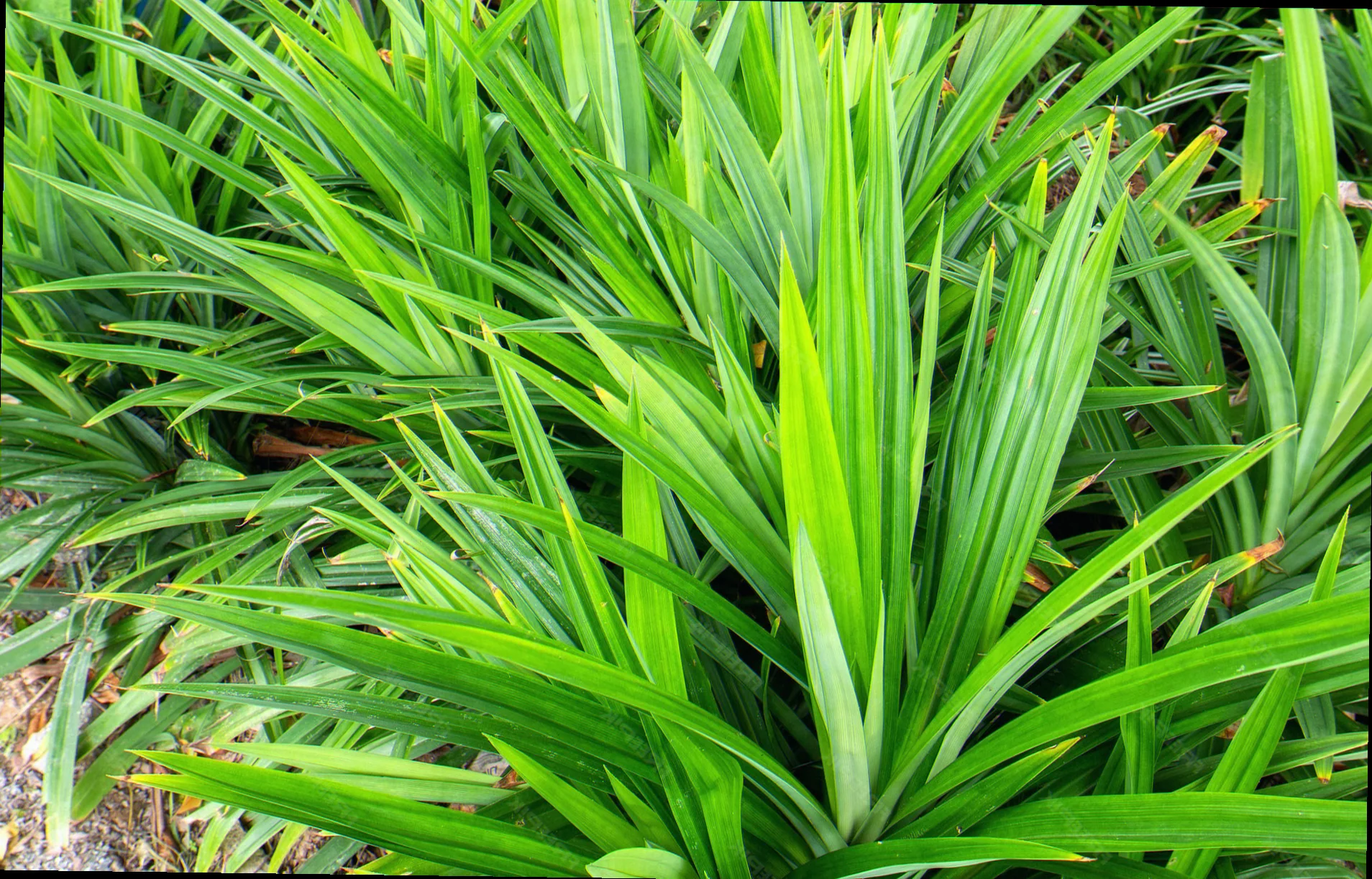
If you have ever wandered through the humid wetlands of the Northern Territory or along the sun-drenched coastlines of Queensland, you have likely encountered the architectural silhouette of the Screw Palm, a plant that looks as if it were designed by a structural engineer with a penchant for geometry. Despite its common name, this iconic Australian plant is not a palm at all, but a member of a distinct and ancient lineage whose spiralling leaf arrangement follows precise mathematical patterns to survive the extremes of the Australian climate. While many Australians recognize "pandan" as a fragrant green flavoring in Southeast Asian desserts, our native species, specifically Pandanus spiralis, holds a far more rugged and vital role in the ecology and deep history of the Australian continent.
Natural History Overview
| Category | Information |
|---|---|
| Scientific name | Pandanus spiralis |
| Common name variants | Screw Palm, Screw Pine, Giddy-giddy, Gunga (Yolngu) |
| First described (year) | 1810 by Scottish botanist Robert Brown |
| Size and weight | Up to 10 metres in height; fruit clusters can weigh up to 15 kilograms |
| Longevity record | Estimated to live over 80 years in optimal wild conditions |
What Makes Pandanus spiralis Extraordinary
The most extraordinary feature of Pandanus spiralis is its namesake: the "spiral" phyllotaxy of its leaves. While many plants grow leaves in an alternating or opposite fashion, the Screw Palm produces long, sword-like leaves that emerge from the crown in a tight, corkscrew-like formation. This is not merely an aesthetic choice by nature; it is a sophisticated physiological mechanism for water management. In the monsoon-drenched Top End, this spiral arrangement acts as a natural funnel, directing every drop of rainwater down the stem to the plant's base, ensuring the root system is hydrated even during light showers. Conversely, the sharp, serrated teeth along the leaf margins serve as a formidable defense against herbivores and help to break up the wind flow, preventing the leaves from shredding during the violent tropical cyclones that frequently lash the northern Australian coastline.
Aboriginal and Torres Strait Islander Perspectives
For tens of thousands of years, Aboriginal and Torres Strait Islander groups across Northern Australia have maintained a sophisticated relationship with Pandanus spiralis. In Arnhem Land, the Yolngu people refer to the plant as Gunga. It is arguably one of the most culturally significant plants in the region due to its versatility. The tough, fibrous leaves are harvested, stripped of their thorns, and dyed using natural pigments derived from roots and bark to create the world-renowned Yolngu weavings, including djerrk (mats) and mindirr (baskets). Beyond artistry, the plant is a critical food source. The large woody fruit, or "keys," contain small, edible kernels that are exceptionally high in fat and protein. These seeds are often roasted in hot coals, tasting much like a walnut or peanut. For the Kunwinjku people, the appearance of the ripe orange fruit is an ecological indicator, signaling that certain fish species are fat and ready for harvest, demonstrating the plant's role as a vital link in Indigenous seasonal calendars and land management practices.
Recent Scientific Discoveries (last 20 years)
- Genomic Complexity (2021): Recent molecular phylogenetic studies have finally begun to untangle the "Pandanus tectorius complex." Researchers found that what was once thought to be a single wide-ranging species actually consists of several distinct evolutionary lineages, with Australian Pandanus species showing a high degree of genetic isolation from their Southeast Asian relatives.
- Cyclonic Resilience Mapping (2015): Studies into coastal erosion found that the complex "stilt root" system of Pandanus species provides significantly higher soil stabilization during storm surges than many invasive palm species, leading to new recommendations for using native Pandanus in tropical coastal restoration projects.
- Ongoing Research: Scientists are currently investigating the antimicrobial properties of the chemical compounds found in the leaves of Pandanus spiralis, looking for potential applications in treating skin infections that are resistant to traditional antibiotics.
Life History and Ecology
- Diet: As a photoautotroph, it derives energy from sunlight via photosynthesis, drawing water and essential minerals like phosphorus and nitrogen from the sandy or silty soils of Northern Australia.
- Habitat: Predominantly found in the "Top End" of the Northern Territory, the Kimberley in Western Australia, and North Queensland, typically hugging the edges of billabongs, vine thickets, and coastal dunes.
- Breeding: Pandanus spiralis is dioecious, meaning individual trees are either male or female. Male trees produce fragrant, pollen-heavy spikes, while females produce the heavy, woody syncarps (fruit clusters). Pollination is primarily achieved through wind and small insects.
- Lifespan: While they can reach 80+ years in the wild, their lifespan is often dictated by fire frequency, as young plants are highly sensitive to intense bushfires.
- Movement: Being stationary, their "movement" is restricted to seed dispersal. The woody fruit segments (phalanges) are buoyant and can travel several kilometers along river systems or coastal currents before taking root.
Conservation Status and Future Outlook
Currently, Pandanus spiralis is listed as "Least Concern" under the IUCN Red List and is not listed as threatened under the Australian EPBC Act. However, this broad classification masks regional vulnerabilities. In parts of the Northern Territory and the Kimberley, "altered fire regimes"-specifically more frequent and intense late-season fires-are preventing young Pandanus from reaching maturity, leading to a "demographic thinning" where only ancient, tall individuals remain. One optimistic development is the increasing involvement of Indigenous Ranger groups in "Right Way" fire management, which uses cool-season burning to protect Pandanus stands. The ongoing concern remains the encroachment of invasive weeds like Mission Grass, which fuels hotter fires that even the hardy, cork-barked Screw Palm cannot survive.
Myth-Busting: What People Get Wrong About Pandanus spiralis
Myth 1: The Australian Screw Palm is the same plant used to flavor Southeast Asian "Pandan" cakes. Truth: This is a common mistake. The culinary pandan is Pandanus amaryllifolius, which rarely flowers and is grown for its soft, aromatic leaves. While the Australian Pandanus spiralis is edible, its leaves are far too tough and fibrous for cooking; it is prized for its seeds and weaving fibers instead.
Myth 2: The "stilt roots" are only there to keep the plant out of the water. Truth: While they do help in swampy ground, these adventitious roots are primarily structural. They act like guy-wires on a tent, providing the tree with incredible stability in sandy soils and allowing it to withstand the high-velocity winds of tropical cyclones that would uproot trees with traditional taproots.
Questions People Ask
Is Pandanus spiralis found only in Australia?
While the genus Pandanus is found throughout the Old World tropics from Africa to the Pacific, the species Pandanus spiralis is almost entirely endemic to the northern regions of Australia. Some closely related subspecies may appear in southern New Guinea, but the "true" spiralis is a quintessentially Australian icon.
Has Pandanus spiralis ever been kept in captivity?
Yes, it is a popular feature in tropical botanic gardens, such as those in Darwin, Cairns, and Brisbane. It is notoriously difficult to grow in cooler climates like Sydney or Melbourne because it is highly susceptible to frost and requires the consistent humidity of the tropics to thrive. Success in home gardens depends on mimicry of its natural "wet-dry" cycle.
How does Pandanus spiralis cope with Australian droughts and fires?
The Screw Palm is a master of the "wet-dry" tropics. During drought, its thick, waxy leaves reduce transpiration (water loss). Regarding fire, mature trees have a thick, corky bark that can withstand low-intensity "cool" fires. However, they rely on the protection of their green, moisture-filled crowns; if a fire is hot enough to reach the crown, the plant will usually perish, which is why traditional Indigenous fire management is so crucial for their survival.